Insect biotechnology · Innsbruck, Austria

From Waste
To Feed.

A multidisciplinary approach to yellow biotech — studying black soldier flies, microbial communities and the conversion of organic waste into valuable resources.

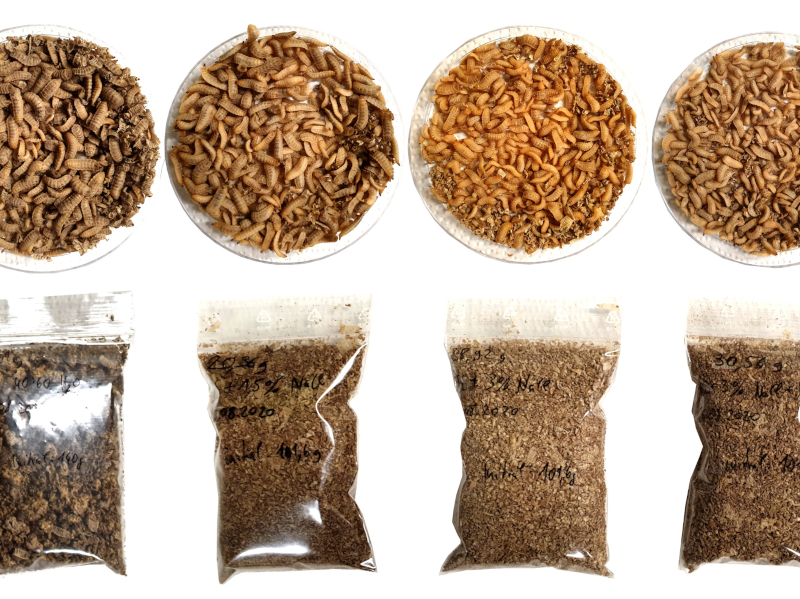
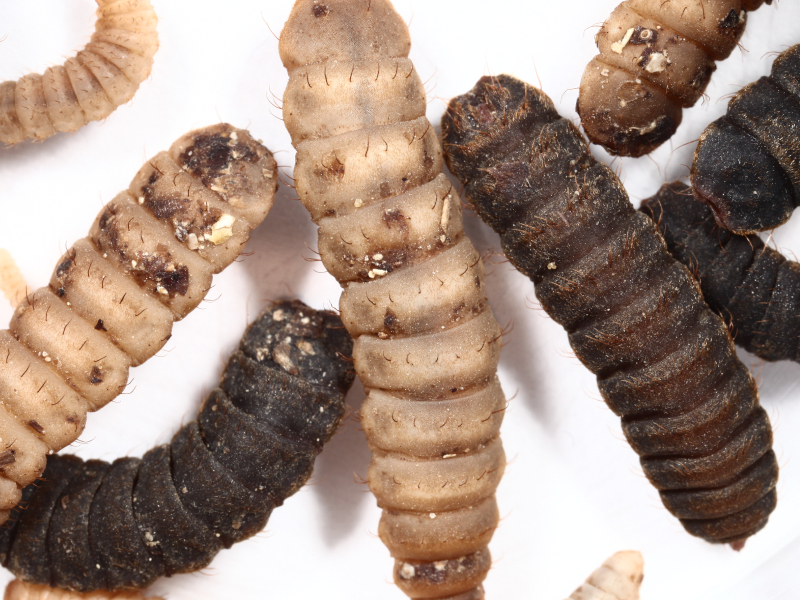
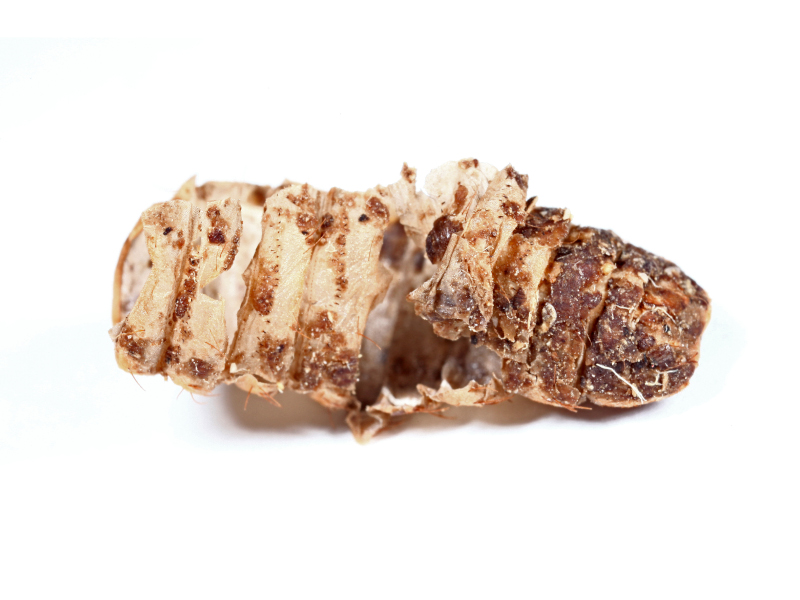
From Waste To Feed research project photograph
Since 2014Black soldier fly research
Microbes · Insects · Circularity

Science at the intersection of insects & microbes.

Molecular ecologyCitizen scienceCircular economy

We are a multidisciplinary team of researchers with backgrounds in microbial waste management, molecular ecology, and microbial community analysis. Our work on the black soldier fly (Hermetia illucens, Diptera: Stratiomyidae) started in 2014 with a first project focussing on improving small-scale rearing and investigating microbe-host relationships. Over time, our collaborations also expanded to other disciplines, covering socio-economical aspects and citizen science.

The key areas of our work involve the investigation of interkingdom relationships between microbes and flies as well as the challenges arising with the industrial up-scaling of black soldier fly rearing.

Research in practice.

Applied and basic research projects. Expand any card to read the project descriptions, dates, funding, and references.

ChitoBSF 2022-2024
Applied research

ChitoBSF

Expanding the value chain - biological extraction of chitosan for insect-based waste bioconversion

Read project details

In collaboration with Dr. Sabine Gruber and her ChisMeT group at FH Campus Vienna and LIVINfarms Vienna.

In addition to providing a nutrient source for traditional livestock, this project focuses on an additional valuable process step - the production of highly active biopolymer chitosan. Chitosan, a derivative of chitin, holds significant industrial potential in agriculture, wastewater treatment, sanitation, and pharmaceuticals. The goal is to establish sustainable chitosan production from insect-based resources, alongside high-quality proteins, lipids, and fertilizers, by enhancing technological expertise at our industry partner.

Leveraging our industry partner’s biomass separation process, the defatted and deproteinized larval biomass pulp will be processed to recover high-quality protein and chitin suitable for the food industry. The residual biomass will undergo various chemical or enzymatically assisted extraction protocols to obtain chitin and chitosan fractions. Screening for highly specific enzymes, particularly those active on BSF materials, will be conducted using RNA-Seq transcriptome analysis. The quality of the products will be assessed through established bioassays, evaluating biocidal efficacy on various bacteria and fungi. Overall, the project aims to contribute to sustainable waste valorization and reduce reliance on unsustainable, imported feeds, aligning with the EU Commission’s goals and the Green Deal’s objectives.

COHMILA 2020-2021
Basic research

COHMILA

Co-housing effect on the microbiome of black soldier fly larvae

Read project details

Emerging industrial applications involving insects hold significant promise in addressing two pressing socio-ecological challenges: (I) the escalating volumes of biodegradable organic waste and (II) the rising costs of animal feed. The larvae of the Black Soldier Fly (BSFL), with their nutrient-rich profile marked by high protein and fat content, have become a focal point for research. Effectively transforming biodegradable waste into larval biomass suitable for animal feed, BSFL offer a dual solution to these challenges.

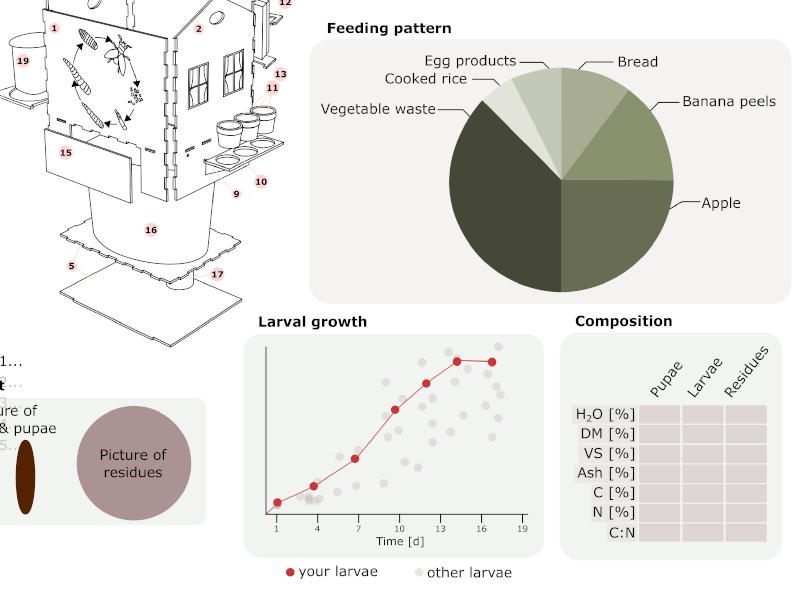
In our FWF Top Citizen Science project, citizens engaged in workshops, rearing their own BSFL in specially designed containers as an alternative to traditional bio-waste disposal. Over a three-week period, participants fed the larvae with their daily household kitchen waste, meticulously documenting their developmental progress. Recognizing the crucial role of microorganisms in the broad degradation capability of BSFL, this proposed project aims to expand the scientific inquiry by incorporating microbiological aspects.

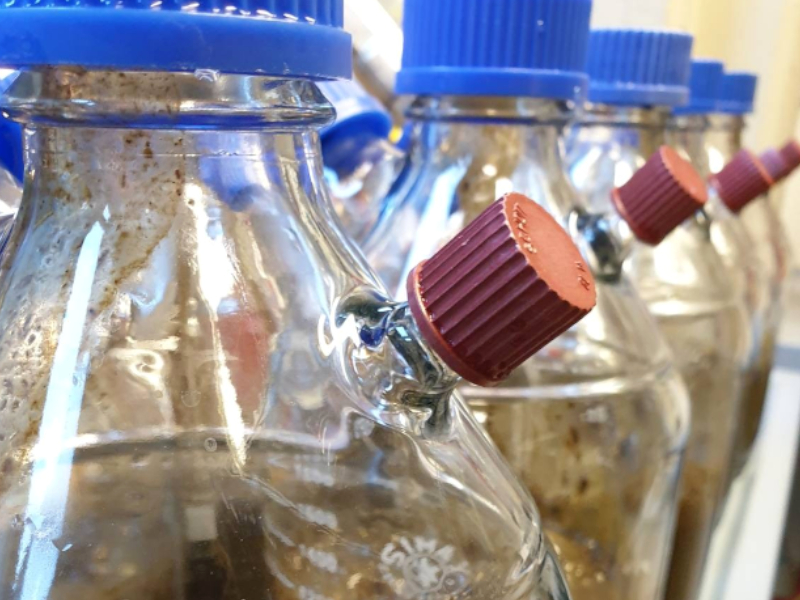
The project’s focus involves identifying bacterial communities within the guts of the larvae and substrate residues obtained from concluded feeding experiments. This exploration enables insights into how different waste patterns impact the gut microbiome composition and how larvae influence their environment. Employing predictive metagenomic approaches enhances the data’s informativeness, illustrating the metabolic capabilities of the microbiota residing in the larvae’s digestive systems. This microbial perspective aims to deepen our understanding of the intricate interactions within the BSFL bioconversion process, contributing valuable insights to sustainable waste management and resource utilization.

Frass4Gas 2021-2022
Basic research

Frass4Gas

Pre-treatment of industrial insect breeding residues for anaerobic digestion

Read project details

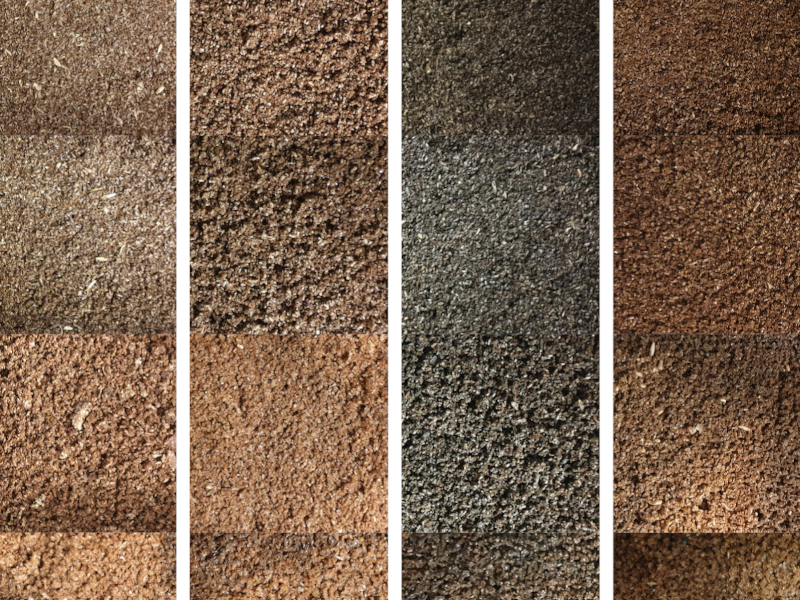
Within a growing insect-based industry, the black soldier fly (BSF; Hermetia illucens) has emerged as one of the most promising species to be used in large-scale rearing facilities. Its ability to efficiently convert a broad variety of organic wastes into high quality protein and fat suitable for animal feed production shows great potential to close loops in food production cycles, thereby promoting the concept of a circular economy. Insect frass, which constitutes a mixture of shed larval skins, larval feces and undigested residual substrates, accumulates as an inevitable by-product during insect rearing. The physicochemical properties of frass are known to be strongly shaped by larval activity and its accompanying microbiota. Past studies have shown an enrichment of nitrogen, phosphorus, and potassium after organic wastes were processed and digested by BSF larvae, making frass highly interesting as soil amendment and fertilizer in agriculture. However, only few studies have focused on the use of insect frass as (co-)substrate for biogas production as alternative treatment method. Its application in anaerobic digestion could be preferred in cases where the frass’ source substrate limits its use as fertilizer or whenever energy production is of greater priority than an agricultural application. The lack of studies creates the need to further sound out suitable ways for pre-treatment, optimal loading rates, and the frass’ impact on microbial stability during anaerobic digestion.

Frass4Gas: Thailand 2022-2023
Basic research

Frass4Gas: Thailand

Insect farming residues for biogas production

Read project details

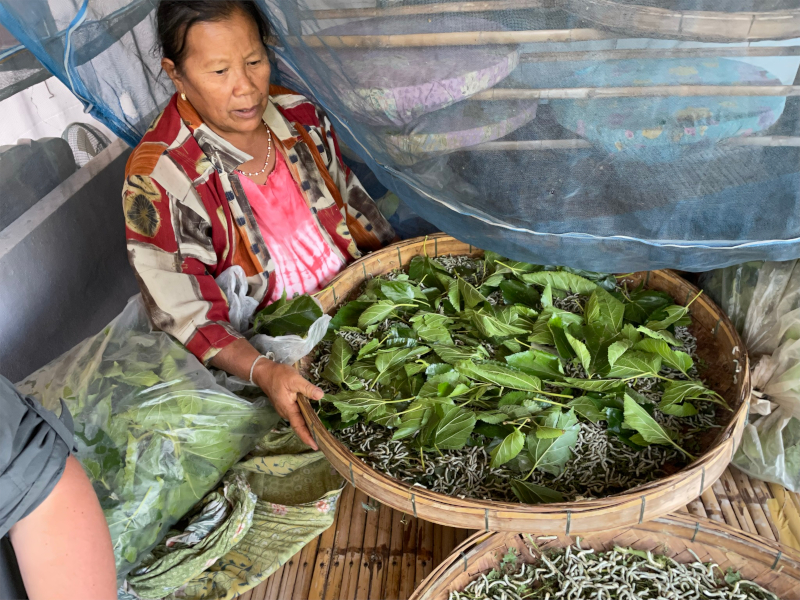
For this cooperative project, we aimed to investigate the suitability of silkworm (Bombyx mori), cricket (Acheta domesticus), black soldier fly (Hermetia illucens) and mealworm (Tenebrio molitor) frass as co-substrate for anaerobic digestion. Anaerobic digestion is a widespread technology to convert low-value organic wastes to biogas and fertilizer (digestate). During the digestion process, the complex interactions of microbial communities and the exclusion of oxygen contribute to the hygienisation of the input substrate, thereby greatly improving the biological safety of organic wastes. Several pre-trials at our lab have shown that the co-digestion of frass from black soldier fly larvae can increase overall biogas yields from cattle manure. To expand this area of research, we plan to explore frass from insect species that are intensively farmed in Thailand (e.g., silkworms and crickets) as co-substrates for anaerobic digestion.

From Waste To Feed 2014-2018
Basic research

From Waste To Feed

Waste products as a source for protein-rich animal feed.

Read project details

The growing challenges posed by increasing human population, urban expansion, and a throw-away-society economy have made effective waste management a critical issue. In this context, recycling and processing biodegradable materials, including organic waste, wastewater, and renewable resources, present a viable solution to mitigate environmental and climate impacts. Currently, various methods such as incineration, landfill disposal, anaerobic digestion, and composting are employed for biodegradable waste management.

From a thermodynamic perspective, there is an opportunity to utilize organic wastes containing valuable bio-molecules at a higher energy level. The ideal process would require no energy, chemicals, or water, be self-contained, emit minimal effluent and greenhouse gases, operate with simplicity, have no moving parts, and necessitate little maintenance. This bioconversion process envisions utilizing the larvae of the black soldier fly (BSF), Hermetia illucens, as a key component.

The BSF-driven bioconversion process aims to be a fast, clean, efficient, and economical method for recycling various types of organic agricultural waste. The project focuses on characterizing and comparing different organic waste resources, adapting process conditions to the life history of BSF, analyzing the chemical-physical properties of the obtained larvae for their suitability as animal feed, identifying the larval digestive tract microbiota, and conducting hygiene screening and pathogen monitoring. The utilization of BSF larvae in waste management demonstrates a creative and sustainable approach to address the pressing issue of effective and environmentally friendly waste disposal.

Mass-rearing (Pt. 1) 2020-2021
Applied research

Mass-rearing (Pt. 1)

Breeding and biotechnology for insect farming

Read project details

More info coming soon.

Mass-rearing (Pt. 2) 2021-2022
Applied research

Mass-rearing (Pt. 2)

Breeding and biotechnology for insect farming

Read project details

More info coming soon.

Semiochemical communication 2012-2026
Basic research

Semiochemical communication

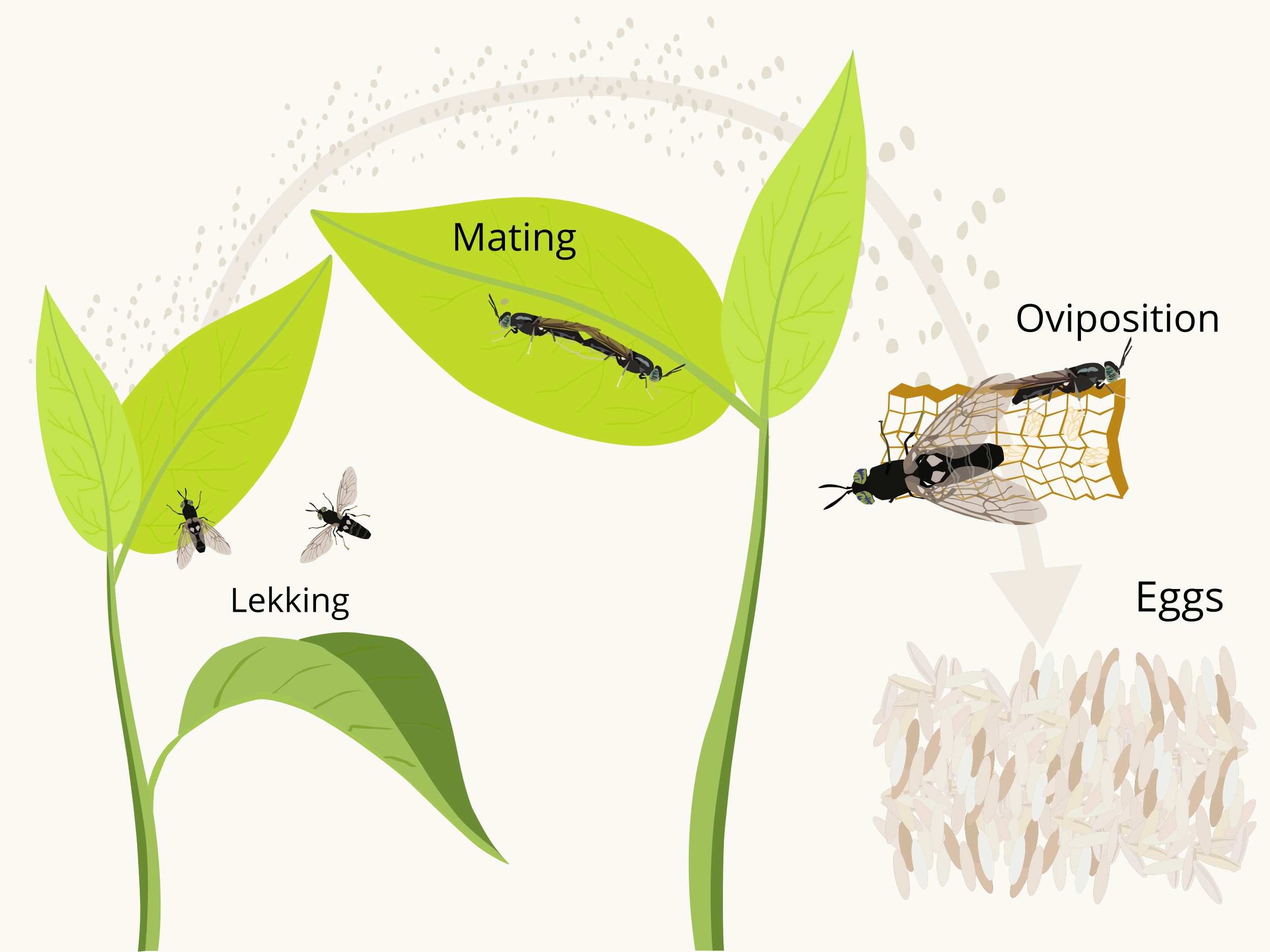
Microbes involved in black soldier fly oviposition.

Read project details

The black soldier fly (Hermetia illucens) holds significant biotechnological potential, drawing increasing scientific attention due to its ability to address two critical challenges of the current century. Firstly, it offers a solution to the escalating global issue of managing organic waste in an economically and ecologically sustainable manner. Secondly, it presents a promising resource for meeting the food and feed demands of a growing population with rising living standards, particularly in economically poorer countries.

The larvae of the black soldier fly exhibit remarkable versatility, capable of efficiently utilizing various organic waste streams, ranging from plant residues to slaughterhouse waste. Furthermore, these larvae serve as a nutritious feed source for farm animals such as poultry, pigs, and fish, boasting high levels of fat and protein, along with mineral richness. However, the fragility of adult flies in their reproductive stage poses a significant bottleneck to the overall process.

To overcome this challenge, a project has been initiated with the objective of identifying chemicals produced by microorganisms that positively influence the egg-laying behavior of the black soldier fly. The research integrates egg-laying experiments with a multidisciplinary approach encompassing chemical, microbiological, genetic, and genomic analyses. The ultimate goal is to select an optimal substrate for oviposition, identify the chemical substances promoting oviposition, and characterize the microorganisms responsible. The success of this project could have both applied and basic science implications, leading to the development of new, industrially relevant breeding methods and offering insights into the chemical communication of insects and microorganisms with behavioral consequences.

Six-legged Livestock 2018-2019
Basic research

Six-legged Livestock

Rearing black soldier fly larvae on biowaste

Read project details

The FWF - Top Citizen Science project “Six-legged Livestock: Rearing Black Soldier Fly on Biowaste” aims to complement the existing FWF project “From Waste to Feed: Waste products as a source of protein-rich feedstuff.” The ongoing FWF project focuses on evaluating and optimizing the production of animal feedstuff in the form of Hermetia illucens prepupae, utilizing various organic waste sources. However, the limitation lies in the reliance on single and defined diets tested in laboratory experiments, excluding mixed diets like domestic biowaste, which varies based on consumer eating habits, season, and region.

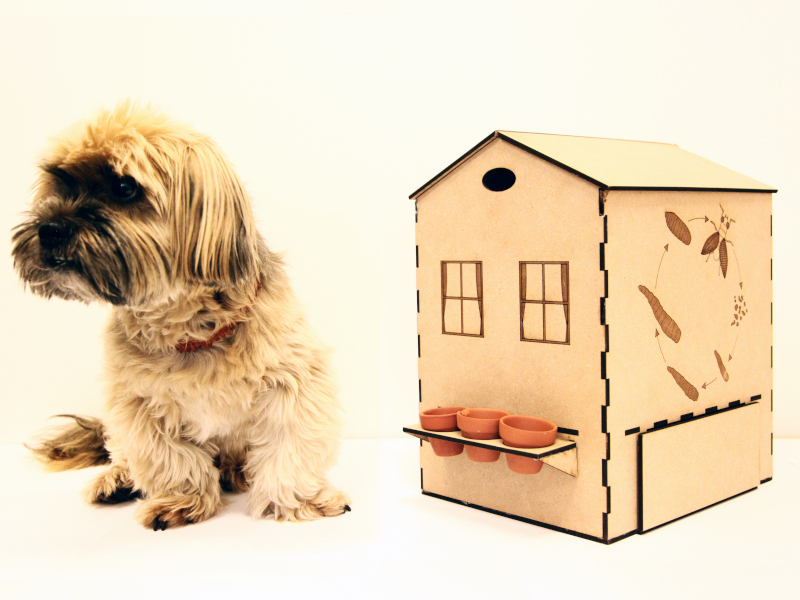
To address this gap, the Citizen Science project engages citizens, not typically involved in scientific work, to conduct feeding experiments with black soldier fly larvae in their homes. Participants use feeding container boxes they construct from scratch to process their daily domestic biowaste. This approach allows for a diverse range of experiments with different diets and associated biowastes, leveraging the variability inherent in source-separated collected biowaste.

The involvement of citizens in this project not only contributes valuable data but also aims to challenge and overcome public prejudices against insect-based feed. By fostering direct interaction with edible insects, the project aims to increase public acceptance of insect-based fish and chicken feed. Additionally, this Citizen Science initiative seeks to break down existing barriers between science and society, creating an alliance that generates knowledge beyond what science could achieve in isolation. The collaborative efforts of researchers, experts, and citizen participants in rearing Black Soldier Fly larvae on biowaste contribute to a holistic understanding of sustainable waste management and innovative protein production for animal feed.

Our research journey.

From the earliest From Waste To Feed work to later microbiome, biotechnology, and bioconversion projects.

  1. 2014-2018

    From Waste to Feed

    Waste products as a source for protein-rich animal feed.

  2. 2018-2019

    Six-legged Livestock

    Rearing black soldier fly larvae on biowaste.

  3. 2020-2021

    COHMILA

    Co-housing effect on the microbiome of black soldier fly larvae.

  4. 2020-2021

    Mass rearing (Pt.1)

    Breeding and biotechnology for insect farming.

  5. 2021-2022

    Mass rearing (Pt.2)

    Breeding and biotechnology for insect farming.

  6. 2022-2024

    ChitoBSF

    Expanding the value chain - biological extraction of chitosan for insect-based waste bioconversion.

  7. 2022-2023

    Frass4Gas

    Pre-treatment of industrial insect breeding residues for anaerobic digestion

  8. 2022-2026

    Semiochemical communication

    Microbes involved in black soldier fly oviposition.

  9. 2023

    Frass4Gas: Thailand

    Insect farming residues for biogas production

The people behind the work.

Researchers working across molecular ecology, insect breeding and microbial biotechnology.

Florian M. SteinerFM

Florian M. Steiner

Assoc. Professor

Elisa GemassmerEG

Elisa Gemassmer

PhD Student

Evelina KrolEK

Evelina Krol

Technical Assistant

Research partners.

Institutions and funding organisations featured in the original site.

Get in touch

Questions about our work?

Contact the research group using the public email address listed on the original site.

Email the team ↗